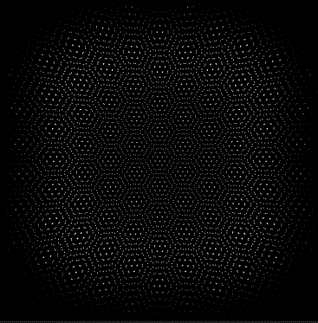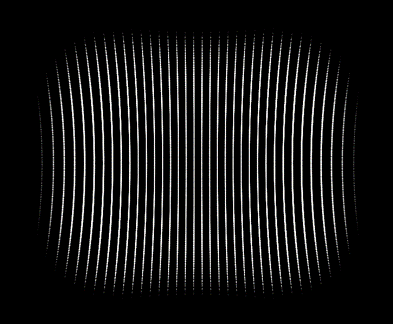
A fully freeform diffuser realized through SCIVAX's proprietary algorithm. By incorporating the wave nature of light into the design, it achieves exceptionally high uniformity compared to conventional products. Light distribution shapes such as rectangular, circular, and freeform can be flexibly customized.
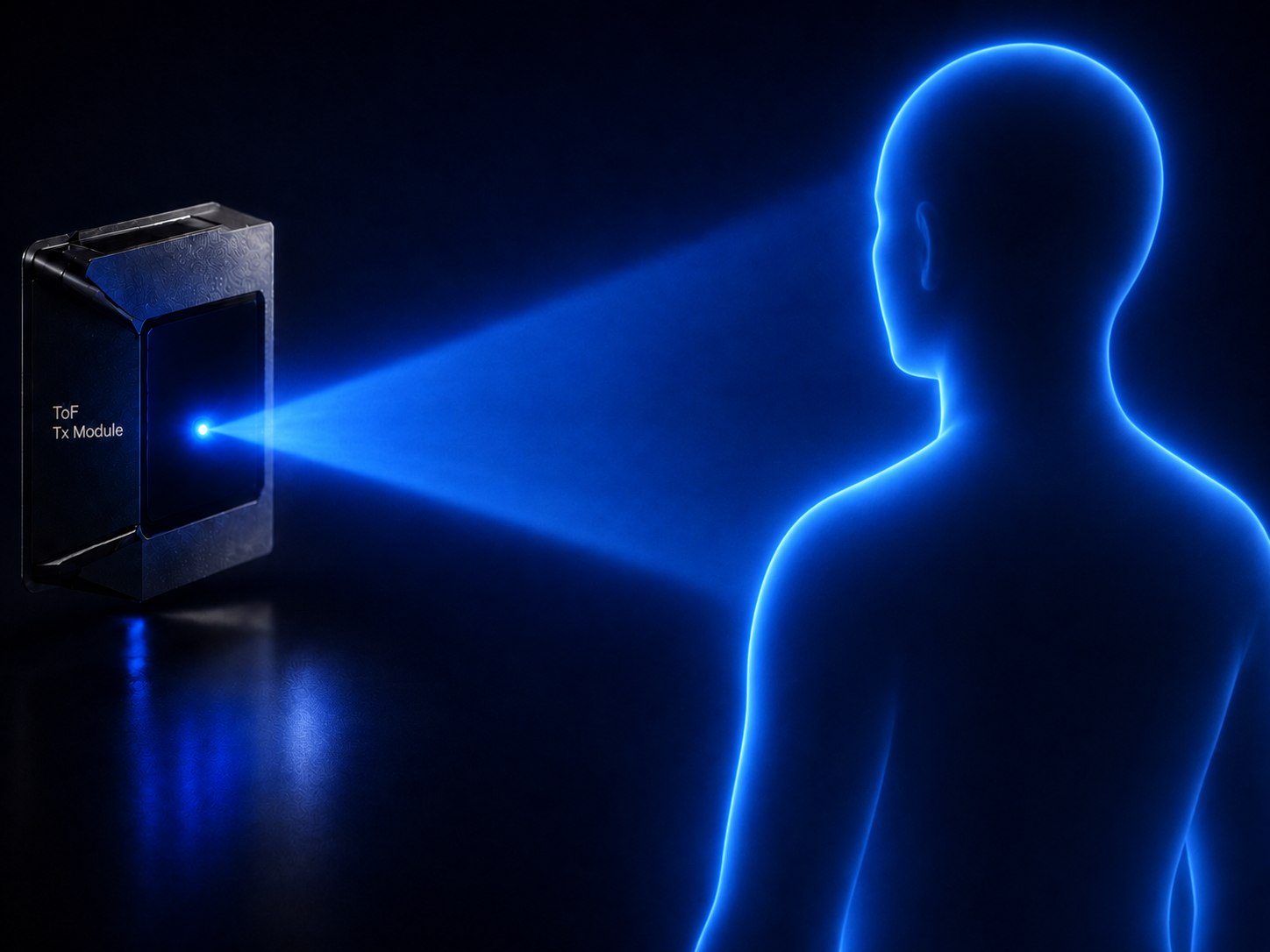
Platanus® is a fully freeform diffuser realized through SCIVAX's in-house developed design algorithm. By incorporating the wave nature of light (diffraction and interference) into the design, it achieves exceptionally high in-plane uniformity compared to conventional diffusion elements.
Through a proprietary algorithm that integrates light refraction and diffraction, the shape of the light distribution (rectangular, circular, freeform) and the uniformity of light intensity distribution can be designed with a high degree of freedom.
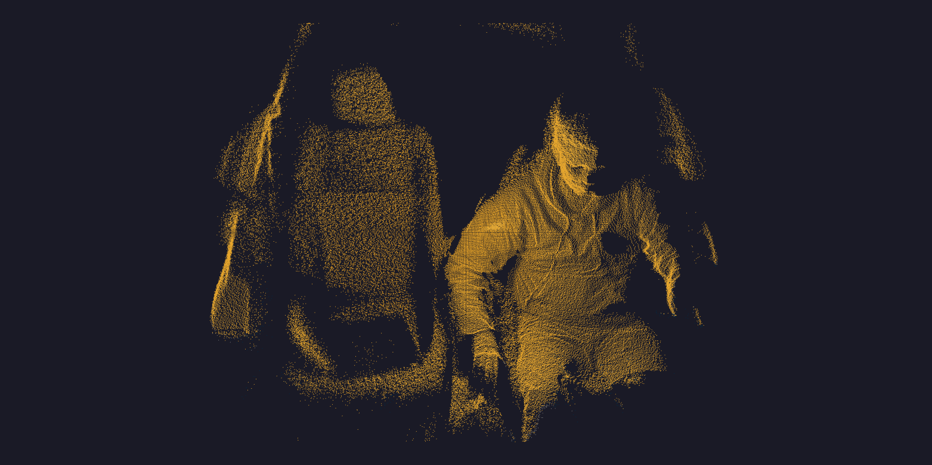
Uniform Diffuse Illumination with Minimal Unevenness
Through proprietary design that considers the wave nature of light, uniform light intensity distribution is achieved across the entire illumination area. Luminance unevenness commonly found in conventional diffusion elements is significantly reduced.
High-Quality Light Distribution with Minimal Interference and Hot Spots
Suppresses speckle and hot spots originating from coherent light sources (lasers, VCSELs). Achieves clean illumination patterns with minimal interference noise.
Flexible Light Distribution Shape Design
Light distribution shapes such as rectangular, circular, and freeform can be custom-designed according to application requirements. Maintains stable light intensity distribution even at wide angles.
Optimal for High-Resolution 3D Sensing
Uniform area illumination enables precise illumination of fine details on target objects, making it ideal for high-resolution 3D shape acquisition at short to medium ranges.
Please feel free to contact us regarding light distribution design customization and detailed specifications.
Inquiries and Documentation RequestsAn optical element that can directly form dots in combination with VCSEL light sources. The collimator lens required for conventional DOEs is unnecessary, and no 0th-order light leakage occurs. Through a proprietary algorithm that integrates light refraction and diffraction, dot placement and intensity can be freely designed to enable long-range sensing.

Ardisia® is an optical element that can directly form dots without a collimator lens in combination with VCSEL light sources. The collimator essential for conventional DOEs (diffractive optical elements) is unnecessary, enabling module miniaturization and cost reduction.
Additionally, no 0th-order light (undiffracted light) leakage occurs, which is a problem with conventional DOEs, eliminating adverse effects on sensing accuracy. Through SCIVAX's proprietary algorithm that integrates light refraction and diffraction, dot placement, density, and intensity distribution can be freely designed according to application requirements.


High-Efficiency Illumination Through Dot Matrix
By concentrating light into dots, high light intensity is maintained even at long distances compared to area illumination. Achieves long-range sensing with low power consumption.
No Collimator Lens Required
Dots can be formed directly from VCSEL light sources, eliminating the collimator required for conventional DOEs. Achieves module miniaturization, reduced component count, and cost reduction.
No 0th-Order Light
No 0th-order light (undiffracted light) leakage occurs, which is a problem with conventional DOEs, eliminating stray light noise that degrades sensing accuracy.
Flexible Design of Dot Placement and Intensity
Dot placement patterns, density, and intensity distribution can be freely customized according to application requirements. Supports a wide range of applications from long-range sensing to low-power applications.
Please feel free to contact us regarding custom design of dot placement and intensity, as well as detailed specifications.
Inquiries and Documentation RequestsLenses
SCIVAX's flat lenses realize a unique optical structure that fuses refraction and diffraction through nanoimprint technology. They eliminate the challenges of conventional DOEs (diffractive optical elements) and MLAs (microlens arrays), providing more compact, low-cost, and high-quality sensing light sources.
| DOE | MLA | SCIVAX | |
|---|---|---|---|
| Collimator | Required | Required | Not Required |
| 0th-Order Light | Occurs | None | None |
| Moiré / Interference | None | Occurs | None |
| Efficiency | Approx. 60–75% | 80%+ | 80–90% |
| Maximum FOI | Under 100° | Under 130° | 150°×130° |
Compact and Thin
No additional optical systems such as collimators are required, enabling significant module thinning. Advantageous for integration into smart devices and wearables.
Mass Production and Low Cost
Resin molding through nanoimprint enables mass production of high-precision optical structures with high reproducibility. Combined with reduced component count, this achieves cost competitiveness.
High Quality and Safety
Eliminates 0th-order light and stray light noise to improve sensing accuracy. Eye-safe design and wide FOI enable safe application across diverse uses.
Please feel free to contact us regarding technical details and evaluation samples of nanoimprint lenses.
Inquiries and Documentation RequestsView product overviews of Platanus® (Diffuser) and Ardisia® (Dot).
Please feel free to contact us regarding detailed specifications and light distribution design customization for Platanus® / Ardisia®.
Inquiries and Documentation Requests